
Could What’s on Your Plate Affect Your Dementia Risk?
New Research Suggests It Might

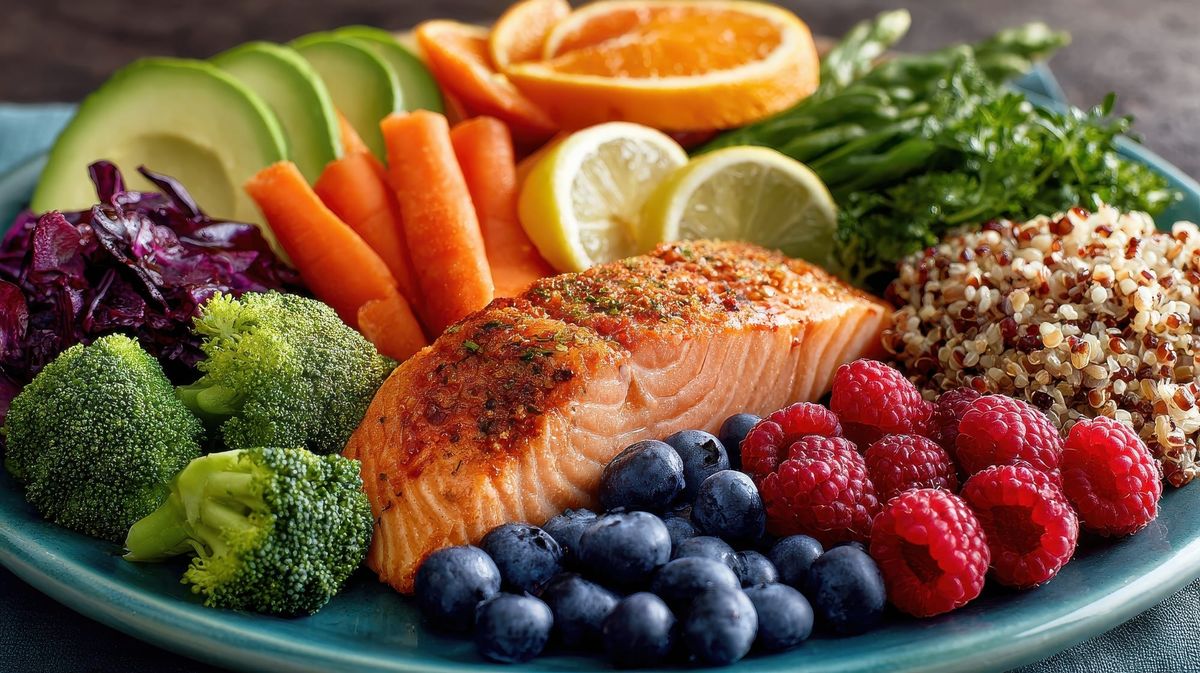
Growing evidence suggests that lifestyle choices — including diet — may play an important role in brain health. Even though Alzheimer’s disease and similar dementias have significant underlying genetic causes, what you eat can reduce dementia risk and enhance cognition, according to two recent studies.
A study published in Nature Medicine in 2025 examined how genetics, metabolism, and diet interact to affect dementia risk. What you eat interacts with your genes by influencing how cells do their jobs. Foods can exacerbate or mitigate dementia risk via the chemicals created from cell processes.
Researchers followed more than 5,700 participants for over three decades. They monitored fifty-seven metabolites — byproducts of cell metabolism — known to play a part in dementia. They narrowed the metabolites down to nineteen that seemed to be causative in dementia, suggesting that dietary interventions alter cognitive health.
People who closely followed a Mediterranean-style diet had a lower risk of developing dementia and better cognitive function than those who did not. The protective effect was particularly pronounced among individuals carrying two copies of the APOE4 gene, the strongest known genetic risk factor for late-onset Alzheimer's disease.
Researchers found that adherence to the diet appeared to influence blood metabolites linked to dementia risk, suggesting that food choices may affect biological pathways involved in brain aging. Dietary changes could help offset some inherited risk factors.
What is the Mediterranean Diet?
The Mediterranean Diet generally refers to the typical food supply in countries surrounding the Mediterranean Sea. According to the American Heart Association, the Mediterranean diet is one high in fruits, vegetables, whole grains, legumes, nuts, olive oil, and fish while limiting red meat and highly processed foods.
The study is not the first to link Mediterranean-style eating to better cognitive health.
A recent meta-analysis – a comprehensive review of multiple previous studies – concluded that people who closely follow a Mediterranean diet have an 11% to 30% lower risk of cognitive impairment, dementia, and Alzheimer's disease compared with those who do not. These findings support diet as a potentially important strategy for promoting healthy brain aging.
Put Down the Processed Food
While some foods may help protect the brain, others may do the opposite.
A study published in 2026 found that diets high in ultra-processed foods were associated with a significantly greater risk of dementia and cognitive decline. Researchers followed more than 5,300 adults aged 50 and older for nearly nine years and found that participants who consumed the highest amounts of ultra-processed foods had a 58% higher risk of dementia compared with those who ate the least.
Ultra-processed foods include many packaged snacks, sugary beverages, processed meats, fast foods, and products made with additives, preservatives, emulsifiers, and artificial flavorings. The study found that processed meats such as hot dogs, bacon, and deli meats were among the foods most strongly associated with increased dementia risk. Approximately 75% of the US food supply is made up of ultra-processed food.
What are Ultra-Processed Foods?
Ultra-processed foods contain ingredients not normally found in a home kitchen, processed to the point that they are nothing like the original ingredients. Ultra-processing foods makes them very enjoyable and difficult to resist. They are addictive and cheap to make, maximizing profits for food manufacturers.
Diets high in ultra-processed foods have been linked to chronic inflammation, obesity, cardiovascular disease, and Type 2 diabetes—all of which are known risk factors for dementia.
Control Your Genetic Destiny through Diet
For people concerned about cognitive decline — and shouldn’t we all be — the evidence increasingly points toward a simple message:
Eat more whole foods, more plants, more fish. Eat fewer highly processed products.
So long as there is no cure for dementia, prevention is vital. No diet can guarantee protection against cognitive decline, but certain eating patterns appear to support brain health, even among people with a strong genetic predisposition to Alzheimer's disease.
The choices made at the table today may help shape brain health in the years and decades to come.
Experts caution that diet is only one piece of the dementia puzzle. Physical activity, adequate sleep, social engagement, blood pressure control, and management of diabetes and cardiovascular disease all contribute to long-term brain health.