Researchers Explore Microsurgery forAlzheimer's Disease

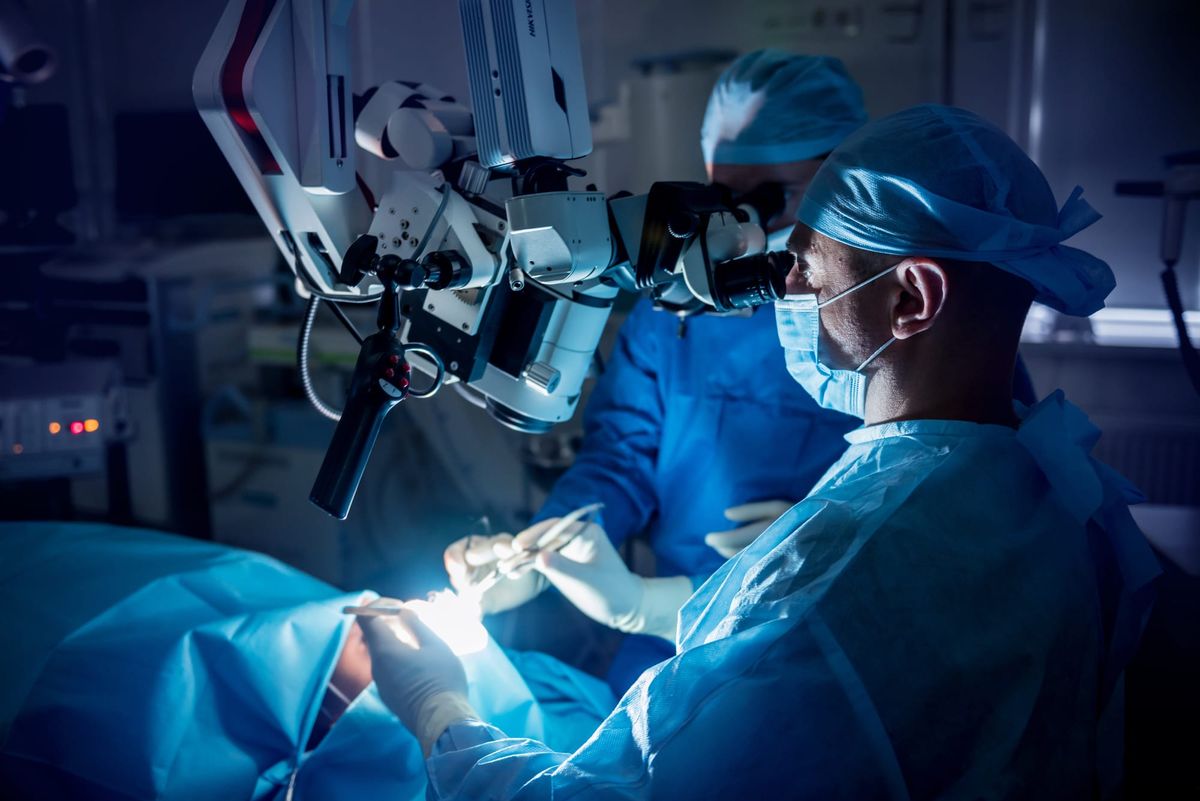
A microsurgical procedure commonly used to treat lymphedema (a buildup of lymphatic fluid) may one day help Alzheimer's and other neurodegenerative diseases, according to a March 2026 review.
Lymphovenous anastomosis (LVA), a surgical technique that connects lymphatic vessels and veins to redirect excess lymphatic fluid out of affected areas could potentially help the brain remove waste products that accumulate during Alzheimer's disease. LVA done for the brain could help drainage by creating new pathways for cerebrospinal fluid and waste products to leave the lymphatic system.
While the idea is still experimental, LVA for the brain shows feasibility and promise in improving cognitive function and slowing disease progression. Larger clinical trials are needed. Currently, treatments for Alzheimer’s disease are limited.
Alzheimer's disease is marked by the buildup of amyloid-beta plaques and tau tangles in the brain.
Over the past several years, scientists have gained a better understanding of the brain's waste-removal system, known as the glymphatic system. This network allows cerebrospinal fluid to circulate through brain tissue, carrying metabolic waste to drain into lymphatic vessels in the neck.
Evidence suggests that this drainage system becomes less efficient with age, potentially contributing to the buildup of harmful proteins associated with Alzheimer's disease.
Results
In one report, in over 200 patients receiving LVA performed for the brain, researchers observed improvements in cognitive test scores after surgery.
Another small imaging study involving six patients found slight cognitive improvements and supporting brain scans indicating enhanced glymphatic flow.
A third study of 26 people with Alzheimer's disease reported significant improvements in Mini-Mental State Examination scores after a modified cervical LVA procedure, while 60% of caregivers reported noticeable symptom improvement. However, several other cognitive measures and cerebrospinal fluid biomarkers showed favorable trends without reaching statistical significance.
These early studies are not sufficient to determine whether the surgery truly slows Alzheimer's disease. Research is needed that would include carefully selected patients, standardized surgical techniques, advanced brain imaging, sampling of blood and cerebrospinal fluid biomarkers, and long-term cognitive testing to better understand whether the procedure changes the course of the disease.
LVA surgery for the brain presents practical challenges. Surgeons must determine which lymphatic vessels are the best targets, ensure the tiny surgical connections remain open over time, and monitor for complications such as infection, bleeding, or blockage of the new drainage pathway. While the procedure is minimally invasive and has an established safety record in lymphedema treatment, its long-term effectiveness for Alzheimer's disease remains unknown.
Caring for Your Brain's Glymphatic System
The glymphatic system is the brain's waste-removal network. It circulates cerebrospinal fluid through brain tissue, helping clear away metabolic waste products that build up during normal brain activity. Although scientists are still learning how this system works in humans, several evidence-based habits appear to support healthy glymphatic function.
Sleep is Most Important
The strongest evidence points to getting sufficient, high-quality sleep. This is when glymphatic activity is greatest. During deep, slow-wave sleep, cerebrospinal fluid moves efficiently through the brain. Poor sleep quality, fragmented sleep, and chronic sleep deprivation may reduce this waste-clearing process.
Maintaining a regular sleep schedule and treating sleep disorders, such as obstructive sleep apnea, are important for long-term brain health.
Avoiding alcohol before bed and not eating for two hours for bed is recommended to improve sleep quality.
Also, although not proven in humans at this time, it is suspected that side-sleeping makes glymphatic transport most efficient, compared with lying face up or face down. This is seen in animal studies.
Exercise appears to promote several processes linked to healthy glymphatic function by inducing better sleep, healing blood vessels, and improving cerebrospinal fluid dynamics.