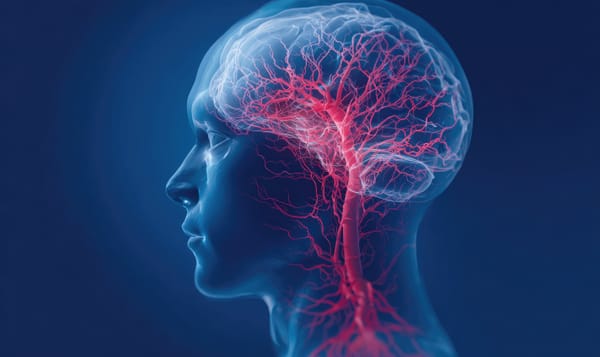
Prescribed a statin? Good news!
Statins lower the risk of dementia, Alzheimer’s, and Vascular Dementia.


Statin users showed a 14% reduction in the risk of developing any form of dementia, a striking recent finding. A 2025 study done by scientists through several medical schools in Brazil found that all statins offer protective benefits to the brain, with Rosuvastatin in particular being the most robust.
The protective effect was even more pronounced for Alzheimer's disease, with an 18% risk reduction for those on statins. For vascular dementia — a type caused by impaired blood flow to the brain — there was also a trend toward protection, though this result fell just short of statistical significance.
What is a Statin?
A statin is a prescription medication that reduces cholesterol, with the aim of preventing heart disease. Cholesterol is a fatty substance the body makes and uses. But too much cholesterol becomes a problem.
LDL, a particularly dangerous form of cholesterol, builds up and clogs arteries, leading to heart attacks and strokes. This disease process is known as atherosclerosis.
Diet and lifestyle changes do not always bring cholesterol down into a safe range, especially as we age. Also, genetic disorders that cause high cholesterol are common. The excess cholesterol from these familial conditions does not improve from lifestyle interventions.
Statins have been around since the 1980s. There are now several varieties, all of which have been studied extensively. Approximately 30 million people take statins. They are generally well-tolerated with few or no side-effects, and are safe for long-term use.
Commonly prescribed statins include Atorvastatin (Lipitor), Rosuvastatin (Crestor), and Simvastatin (Zocor).
The Longer You Take Them, the Better
Per the above-mentioned paper, Statin Use and Dementia Risk: A Systematic Review and Updated Meta-Analysis, the longer a statin is taken, the more it protects the brain.
Taking statins for over three years yielded a 63% lessened risk of dementia. That statins conferred better dementia protection over time indicates they actively interfer in the degenerative processes that lead to dementia.
Also, this study confirmed that statins help diverse patients. Statins had a protective effect on people of both genders and those with Type 2 diabetes.
How Statins Protect
Having high LDL cholesterol itself is a risk factor for dementia. Reducing cholesterol is a lifestyle recommendation for reducing the possibility to dementia, which statins do. By lowering cholesterol, statins may reduce the accumulation of amyloid-beta plaques, damage seen in the brains of those with Alzheimer's disease.
But statins are thought to protect the brain even further. They have neuroprotective and anti-inflammatory properties. They appear to improve blood flow in the brain, which is very important for brain health. Statins limit proteins connected to neurodegeneration and enhance neurotransmitter activity, protecting nerves from damage.
The Largest Analysis of Its Kind
This study is the most comprehensive of its kind ever done. Researchers culled data from 55 observational studies that looked at more than 7 million patients. Results from this large a scale provide conclusions of greater statistical power, meaning the results have more value and are more reliable.
However, this study is observational. Researchers looked at outcomes of those taking statins. Other factors not considered could possibly alter the conclusions.
Ideally, these results of statins reducing dementia risk should be confirmed in the future with other kinds of studies like random controlled trials. At this time, there is enough evidence to say that lower cholesterol reduces risk of dementia and statins are good for brain health.
The Burden of Dementia
Dementia is one of the most pressing public health challenges of our time. In 2021, 57 million people had dementia across the globe, according to the World Health Organization. Every year, approximately 10 million more people get diagnosed with dementia.
Dementia, a term that describes a number of conditions of cognitive decline including Alzheimer's disease, is a leading cause of disability. Many with dementia need intense care and supervision for a long duration, making it extremely costly and burdensome for healthcare systems and family members.
Statins are an inexpensive medication that could reduce future cases of dementia worldwide.