Natural Mineral May Prevent and Reverse Alzheimer’s
The supplement lithium orotate reversed Alzheimer’s in mice.

Key Points:
- The supplement lithium orotate reversed Alzheimer’s in mice
- Depriving healthy mice of lithium accelerated the aging process
- More research is needed, but lithium could prevent and treat Alzheimer’s in humans
- Lithium orotate is an inexpensive supplement, safe to take daily at 5 mg
New Research on Lithium
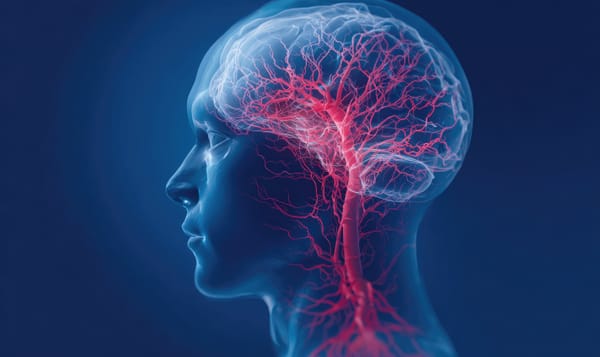
In August 2025, researchers at Harvard Medical School published their finding that lithium, a naturally occurring mineral, is necessary to maintain cognition as we age. Conversely, low levels of lithium may drive Alzheimer's disease.
Testing done on human brain tissue donated from deceased individuals revealed that lithium was low in those who had cognitive impairment ranging from mild dementia to advanced Alzheimer’s. Lithium was the only mineral that was of a lower concentration in those brains.
Suspecting that lithium may play an important role in dementia and Alzheimer’s, scientists fed mice a diet without lithium. Those mice experienced a 50% increase in plaques and tau proteins, the hallmark of Alzheimer's. Mice deprived of the mineral lithium had more brain inflammation and damage the brain’s communication structures. They lost synapses and neurons and declined cognitively.
When mice with Alzheimer’s were given lithium orotate, their memory improved and symptoms of cognitive decline reversed. Even older mice with severe Alzheimer’s experienced benefits from lithium supplementation. Lithium reduced the amyloid deposits and accumulation of tau protein.
At this time, no drugs have yet been found that reverse Alzheimer’s, so this finding was extremely significant. However, what works in mice does not always work in humans.
Past studies have looked at the toxic effective metals have on the brain and how this might provoke Alzheimer’s. Minerals that might make a brain healthy is less studied.
About Lithium
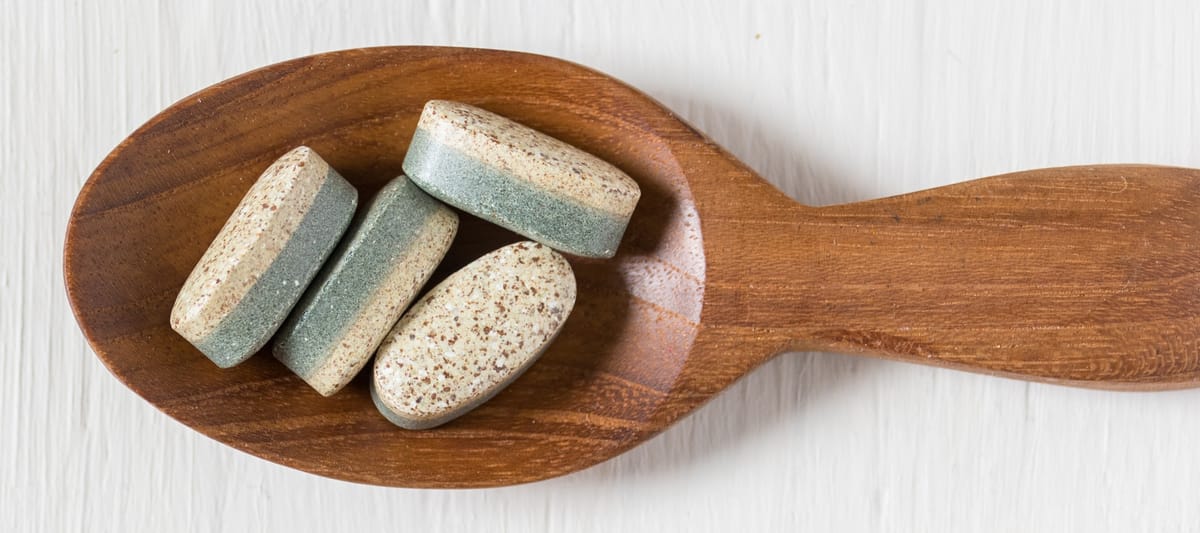
Lithium is a naturally occurring nutrient. Lithium orotate, the form these researchers found effective, is safe and available as an inexpensive supplement.
Prescription drug forms of lithium are already used to both mania and depression in bipolar disorder.
Lithium reduces violent behavior and impulsivity not only in those suffering mental illness, but also in the general population. In the areas where is lithium higher in the water supply, rates of burglaries, drug arrests, suicide, and homicide are lower. Teens drinking water with higher levels of lithium had fewer cases of psychosis. These results are further indication that lithium is crucial for brain health.
Much of how lithium works is not fully understood at this time. It is known to reduce damage to cells in the form of oxidative stress. It raises the "feel-good" neurotransmitter serotonin in certain parts of the brain.
Lithium directly increases brain derived neurotrophic factor (BDNF), the brain's “fertilizer,” which stimulates and controls the growth of new neurons. Low levels of BDNF are associated with the neurodegenerative conditions multiple sclerosis, Parkinson’s, Alzheimer's and Huntington's disease.
Those looking to add lithium supplementation may benefit from a low dose of 3 mg per day. According to the Alzherimer’s Drug Discovery Foundation, small doses of lithium below 5 mg per day are considered safe. Lithium is available through various vitamin manufacturers. High dose lithium can be toxic.