Herpesvirus and Alzheimer’s
Viruses in the herpes family provoke the brain damage seen in dementia.

Key points:
- Herpes infection increases risk for dementia
- Antiviral treatments reduce dementia risk
Herpes and Dementia
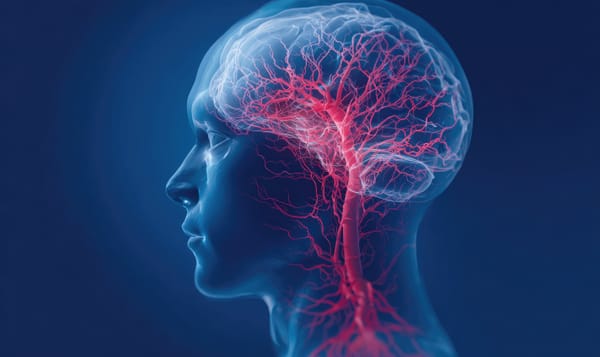
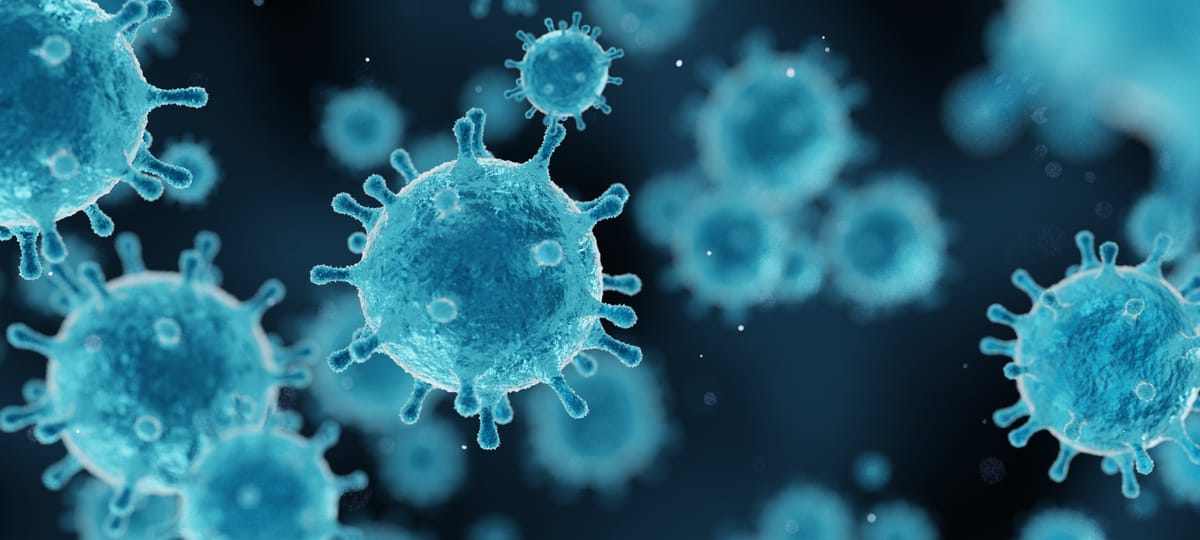
Since the 1980s, scientists have debated whether the herpesvirus infection contributes to Alzheimer’s disease. Recent research confirms that viruses in the herpes family provoke the brain damage seen in dementia.
Under a herpes virus attack, the immune system responds with an intense inflammatory response. The brain produces plaques to protect itself from the acute (immediate) infection. Over time, because herpes is chronic, low-grade, and on-going, plaque buildup continues, becomes toxic, and creates the damage seen in brains with Alzheimer’s. The buildup of toxic plaques interferes with the brain’s electrical and chemical signals leading to diminished brain function.
When testing the brain matter of deceased people with Alzheimer’s disease and those without it, scientists found higher amounts of human herpesvirus 6A (HHV-6A) and human herpesvirus 7 (HHV-7) in the Alzheimer’s affected brains. In looking at post-mortem material from other groups and areas, they found the similar results of an increase in human herpesvirus in brains of those with Alzheimer’s.
HSV1 (oral herpes) and HSV2 (genital herpes) also provoke the brain to produce the proteins that form plaques. HSV1 is considered a serious risk factor for dementia. When HSV1 is not active, it is not gone from the body. It resides dormant in the nervous system. Treatment with antiviral medication reduces the dementia risk for those infected. Treament with herpes antiviral medications is protective against dementia.
Dementia is an umbrella term for Alzheimer’s and other conditions of cognitive decline.
See related article Shingles Vaccine Reduces Risk of Dementia.
Shingles and Alzheimer’s
The virus that causes shingles is from the herpes family. Studies have estimated that a bout of shingles (herpes zoster) increases the long-term risk of cognitive decline by 20%. As with HSV1 and HSV2, herpes zoster causes brain inflammation that leads to brain damage and dementia or Alzheimer’s
Vaccination with the shingles vaccine reduces the risk of dementia by as much as 32%. Also, people with dementia given the shingles vaccine experienced a slowing the progression of dementia.
See related article Current Shingles Vaccine Protects Against Dementia.
Viruses and Neurodegenerative Diseases
Scientists continue to link specific viruses to neurodegenerative diseases. Other viruses besides ones from the herpes family appear to trigger neurodegenerative disease, usually many years later.
Researchers have identified 22 viruses associated with neurodegenerative disease. Some show stronger links to a particular disease than others. For example, he Epstein-Barr virus is associated with multiple sclerosis.
Influenza and pneumonia infections are strongly correlated to five neurodegenerative diseases: dementia, Alzheimer’s, Parkinson’s, ALS (Amyotrophic Lateral Sclerosis also known as Lou Gehrig's disease), and vascular dementia.
Neurodegenerative diseases can occur as long as 15 years after infection.
Viruses May Interact with Genes
Not only may a virus trigger brain inflammation that becomes brain damaging, scientists suspect that viruses may affect the particular genes work. A virus may influence genes that accelerate or inhibit neurodegenerative disease and bring about dementia conditions in a whole other manner besides inflammation.
Vaccine Benefits
Vaccines such as the shingles vaccine reduce infection and limit damaging neuroinflammation, thereby protecting the brain from potential dementia.
More research is being done to understand the relationship between the shingles and dementia.
The CDC recommends the shingles vaccine for adults fifty and over and those 19 and under who are immunodeficient or immunosuppressed.
According to a 2022 study done on adults across the United States, receiving the influenza vaccine reduced the risk of Alzheimer’s over the age of 65. The CDC recommends flu vaccines yearly.