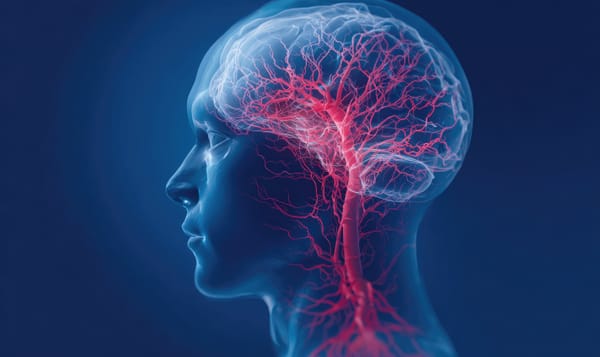
Coffee for Better Brain Health
Caffeinated coffee and tea help prevent dementia


According to a study published today, your morning coffee or afternoon tea ritual — or perhaps it’s an addiction — is a protecting you against cognitive decline. An important caveat: the caffeinated versions serve your brain better. But wait before you order Starbuck’s all day long. There is a sweet spot of consumption.
Researchers from Harvard and MIT sought to clarify conflicting results about whether coffee and tea maintain good cognition or accelerate dementia and if caffeine was a factor. Some previous studies suggest that large amounts of coffee protect the brain. Others saw increased risk from coffee and tea. One reason for different results is studies look at varying periods of time. Long-term evaluations are more reliable. Also, few papers have tackled if caffeine is a factor.
This latest study concluded that coffee with caffeine lowered dementia risk and lessened cognitive decline. Tea drinkers did similarly well.
Decaf: Not as Effective
For those who are too sensitive for caffeine, the news isn’t as good. Decaffeinated coffee did not offer these benefits. The idea amount is 2-3 cups of caffeinated coffee or 1-2 cups of tea for best protection.
These conclusions came from examining the medical information from over 130,000 people, some of whom were followed for up to 43 years. Caffeinated coffee drinkers had an 18% lower risk of dementia compared with those who did not drink caffeinated coffee or tea. Data came from the Nurse’s Health Study, which began collecting information in 1976. Participants were sent questionnaires regularly about their lifestyle and health.
Coffee is already known to possess polyphenols, special micronutrients found in plant foods. There are more than 8,000 of these potent compounds found in everything from fruits and vegetables to beans, nuts, and grains, to spices, chocolate, tea and red wine. Polyphenols work as antioxidants, combating environmental damage by protecting and repairing the body, and by reducing oxidative stress and neuroinflammation.
People with diets high in polyphenols live longer, thanks to healthier blood vessels. less inflammation, better immunity, and more beneficial gut bacteria. They are better protected from certain cancers, other diseases, and the effects of aging. Coffee, one of the most popular beverages the world over, contains as many as 136 of these bioactive metabolites.
Caffeine: an Important Ingredient
Caffeine improves insulin sensitivity and the health of blood vessels, both vital for good brain maintenance.
Caffeine assists in the absorption and metabolism of the beneficial compounds in coffee. Even so, there is a limit to how much of them can be utilized, so drinking more coffee or tea does not impart extra benefit. Further, while caffeine simulates beneficial brain signaling and cellular energy, poor sleep, which can happen from over-caffeinating, is a risk factor for cognitive decline.
Don't Rely on Coffee Alone
There is no one cause of dementia, a general term for diseases of cognitive decline such as Alzheimer’s. Factors range from lifestyle, to disease exposure, head trauma, alcohol intake, depression, untreated hearing or vision loss, medications like allergy remedies and sedatives, chemical exposure, and genetic predisposition.
It’s important to engage in as many actions as possible to take care of our brains and health as we age so as to prevent cognitive decline. Researcher Daniel Wang, MD, ScD, says, “Our study suggests that caffeinated coffee or tea consumption can be one piece of that puzzle.”
Study Limitations
Records evaluated were from a cohort of health professionals who may behave differently than the general population. They might partake in different habits that affect health either positively or negatively. They may have different risk exposures and stresses because of their profession. An examination of a more generalized population might show different results.
This study’s questionnaires did not ask about how coffee was prepared or the type of tea consumed. This can make a difference in the nutritional value of the drinks.
For this study, dementia diagnosis was not independently verified. Researchers only had access to records and self-reporting, which could lead to some inaccuracy in the results if dementia was missed.