Current Shingles Vaccine Protects Against Dementia
Current shingles vaccine stronger against dementia than previous one

Key points:
- Contracting shingles increases risk of dementia
- Receiving the shingles vaccine lessens dementia risk
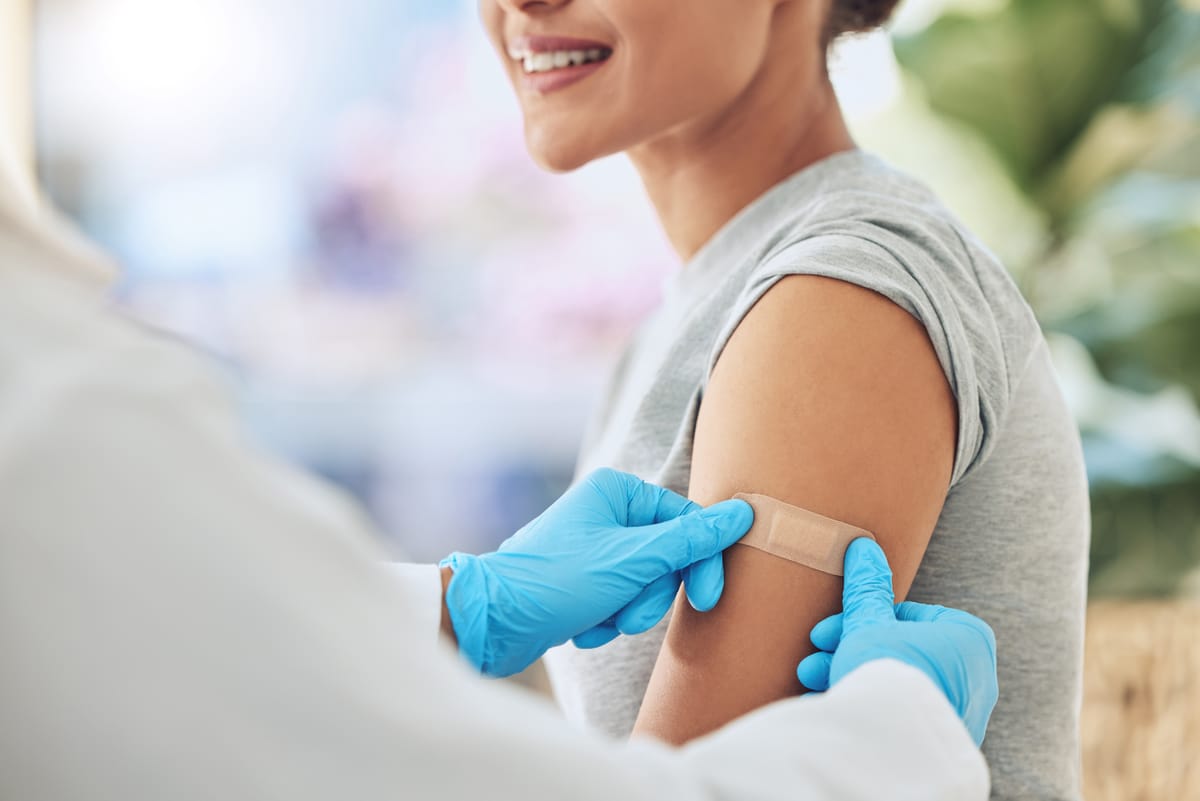
The shingles vaccine currently in use shows even greater dementia protection than the former one, according to results from a recent study.
A review of over 4.5 million health records demonstrated that those fully vaccinated with the currently available recombinant vaccine had a 32% lower risk of dementia. The partially vaccinated — those who received only one of the two doses — had a 11% reduction in risk of dementia.
This study also found that antiviral medications used to treat shingles helped protect against dementia.
The recombinant shingles vaccine (made from proteins in a lab) is more protective against dementia than the one made from the deactivated live virus.
Recombinant vaccines maintain their effectiveness over time better than ones made from the virus itself, generally speaking.
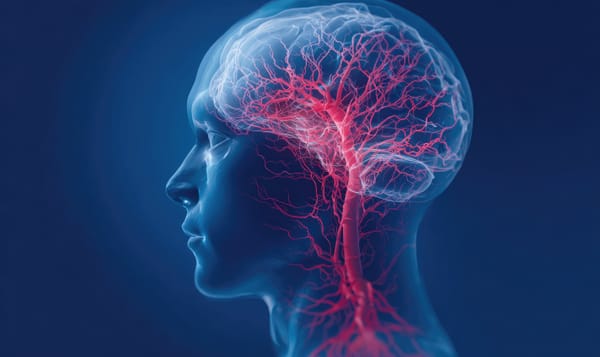
As other studies have concurred, people who had contracted shingles before being vaccinated had a higher risk of dementia. About one in three people in the US develop shingles. Not only does the vaccine reduce the risk of shingles, it protects against dementia. Shingles infection promotes dementia by creating neuroinflammation and reducing blood flow in the brain
The former shingles vaccine, which was discontinued in 2020, showed a 20% less likelihood of developing dementia. The vaccine also slowed disease progression for those who already had mild cognitive decline or dementia.
Dementia is a term encompassing Alzheimer’s and other similar brain diseases. More than 55 million people globally have dementia. About 10 million new cases are diagnosed every year. See related article Shingles Vaccine Reduces Risk of Dementia.
What is Shingles?
A shingles (herpes zoster) infection is actually a reactivation of the chickenpox most of us had in childhood. Shingles occurs mostly in adults and especially the elderly. Children who are immunosuppressed or immunocompromised are also susceptible to shingles.
After the chickenpox is over, the virus stays dormant in the nervous system. As we age, the immune system becomes slower to respond to infections. Shingles takes hold when the immune system is not able to keep the chickenpox virus under control.
Stresses, both emotional and physical, and other illnesses such as cancer can reduce immunity and bring on shingles. Someone who never had chickenpox can get shingles from skin contact or breathing droplets from an infected person, but this is rare.
While shingles is rarely fatal, vaccination is recommended because of the damage shingles can inflict. Shingles causes painful rashes that usually look like blisters and tend to appear across the torso, along with a fever and fatigue. When the infection is over, it may leave nerve pain that may last a long time or go away.
The shingles vaccine is recommended adults age 50 and over or young people who are immunocompromised or immunosuppressed.